
Independent ring buyer's guide, Denver and the Front Range
Denver Engagement Rings: A Buyer's Guide
Know the stone before you fall for the ring.
Plain answers on diamonds, gemstones, settings, sizing, budgets and insurance, written for people buying an engagement ring in Denver. No store behind it and nothing to sell you.
Why this guide exists
Most ring advice comes from someone with a ring to sell. This one does not.
Buying an engagement ring in Denver usually means a few weekends of showroom visits, a stack of browser tabs and a salesperson explaining why the stone in front of you is the one. Some of that advice is good. Some of it is tuned to the margin on the tray.
This site takes the other seat. It explains how diamonds and gemstones are graded, what a report from GIA or IGI does and does not promise, which settings survive a ski season, and how to set a budget you will not regret. Then it gets out of the way so you can shop wherever you like.
Start with the budget question- 4
- grading factors on a diamond report: cut, color, clarity, carat weight.
- 0.2g
- is one carat. Carat measures weight, not how wide the stone looks.
- 10
- is diamond on the Mohs hardness scale, the top of the scale.
- 9
- is sapphire and ruby, the hardest stones after diamond.
The grading language
Four words that set the price
-
01
Cut.
How well the facets return light. On a round diamond it is graded Excellent down to Poor, and it is the factor you see from across a room.
-
02
Color.
The D to Z scale measures how little yellow or brown a white diamond shows. Near-colorless G and H often face up white once set.
-
03
Clarity.
Inclusions and blemishes seen under 10x magnification. Many VS2 and SI1 stones look clean to the eye. Many do not, so check each one.
-
04
Carat.
Weight, at 0.2 grams per carat. Prices tend to jump at round numbers, so 0.90 or 1.40 can look nearly identical for noticeably less.
The library
Seven guides, one ring
Each guide stands on its own. Read them in order if you are starting cold, or jump to the one that answers tonight's argument.
-
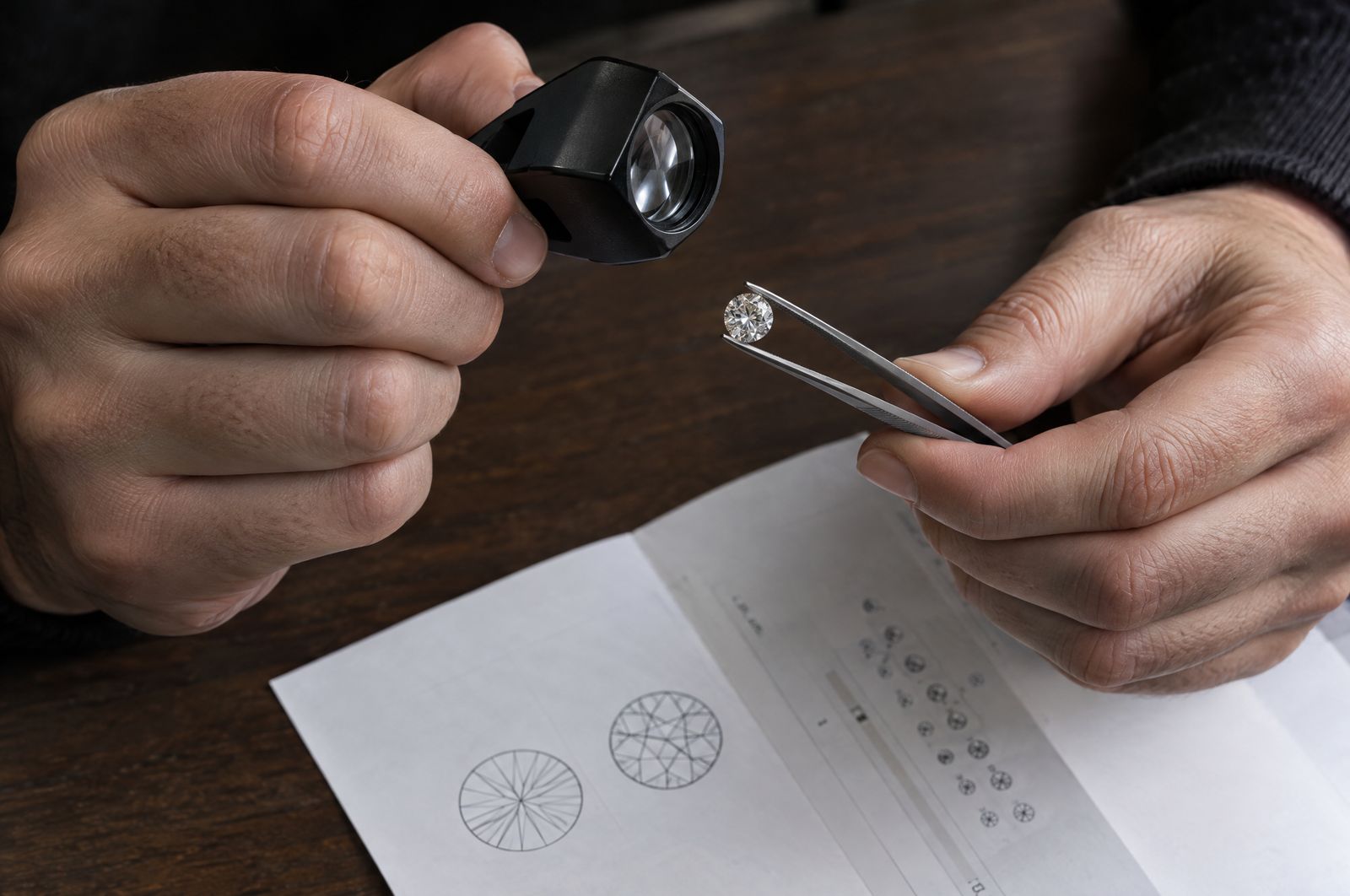
The 4Cs and Grading Reports
Cut, color, clarity and carat, and how to read a GIA or IGI report.
Open the guide -
-
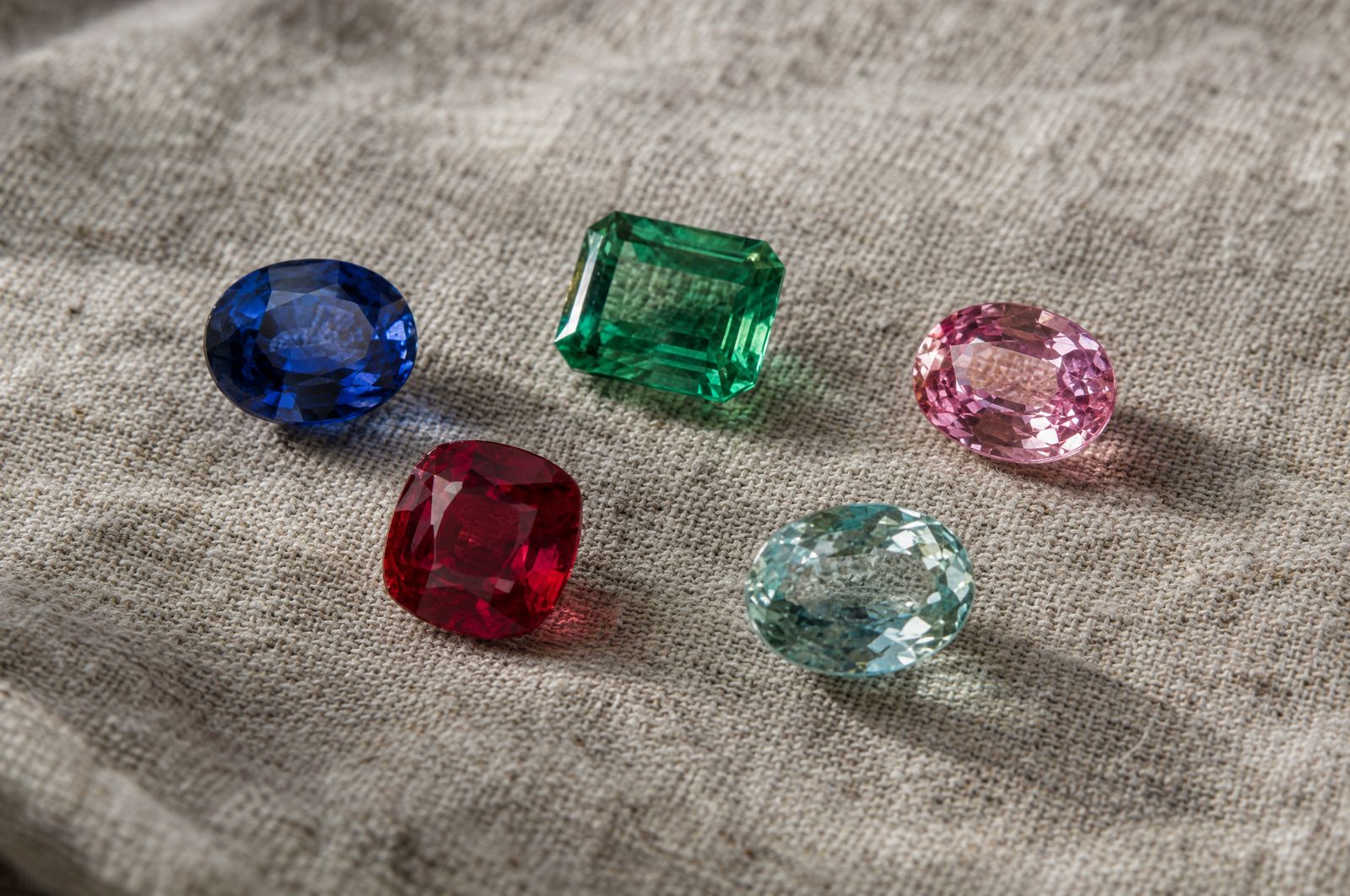
Colored Gemstones
Sapphire, ruby, emerald and the softer stones, rated for daily wear.
Open the guide -
-
-
-

Three questions
Find your starting point
Answer three honest questions about the person who will wear the ring. The result is a direction to research, not a product pick.
Starting point
Diamond first, with a sapphire as a serious alternative
- Turn on JavaScript to tailor this result, or read the guides below.
The order that saves money
How to buy an engagement ring in Denver
Six steps, in the order that keeps the expensive decisions last.
- 01
Set the ceiling before the first showroom
Pick a number from savings and comfort, not from a rule about months of salary. Once you have seen a stone you love, every number feels negotiable. How to set it
- 02
Learn to read a grading report
Ten minutes with the 4Cs lets you compare stones on paper, across stores and websites, before anyone hands you a loupe. The 4Cs, decoded
- 03
Choose the stone's origin and type
Natural diamond, lab-grown diamond or a colored gemstone. This one choice moves the budget more than any grade does. Lab-grown vs natural
- 04
Match the setting to the wearer's week
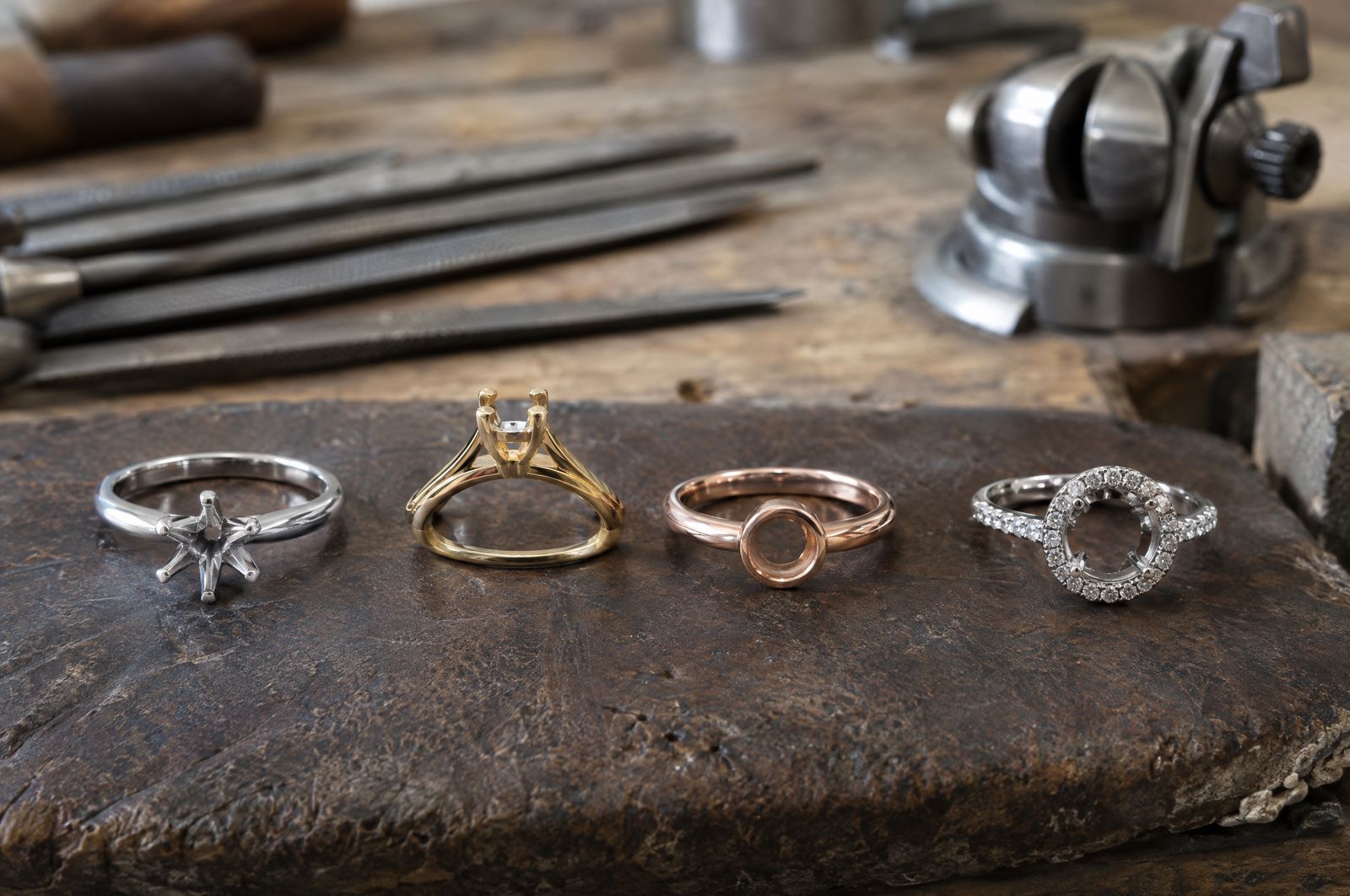
A tall six-prong head and a hiker's pack strap do not mix well. Profile, prong count and metal should follow real habits. Settings and metals
- 05
Find the size without giving it away
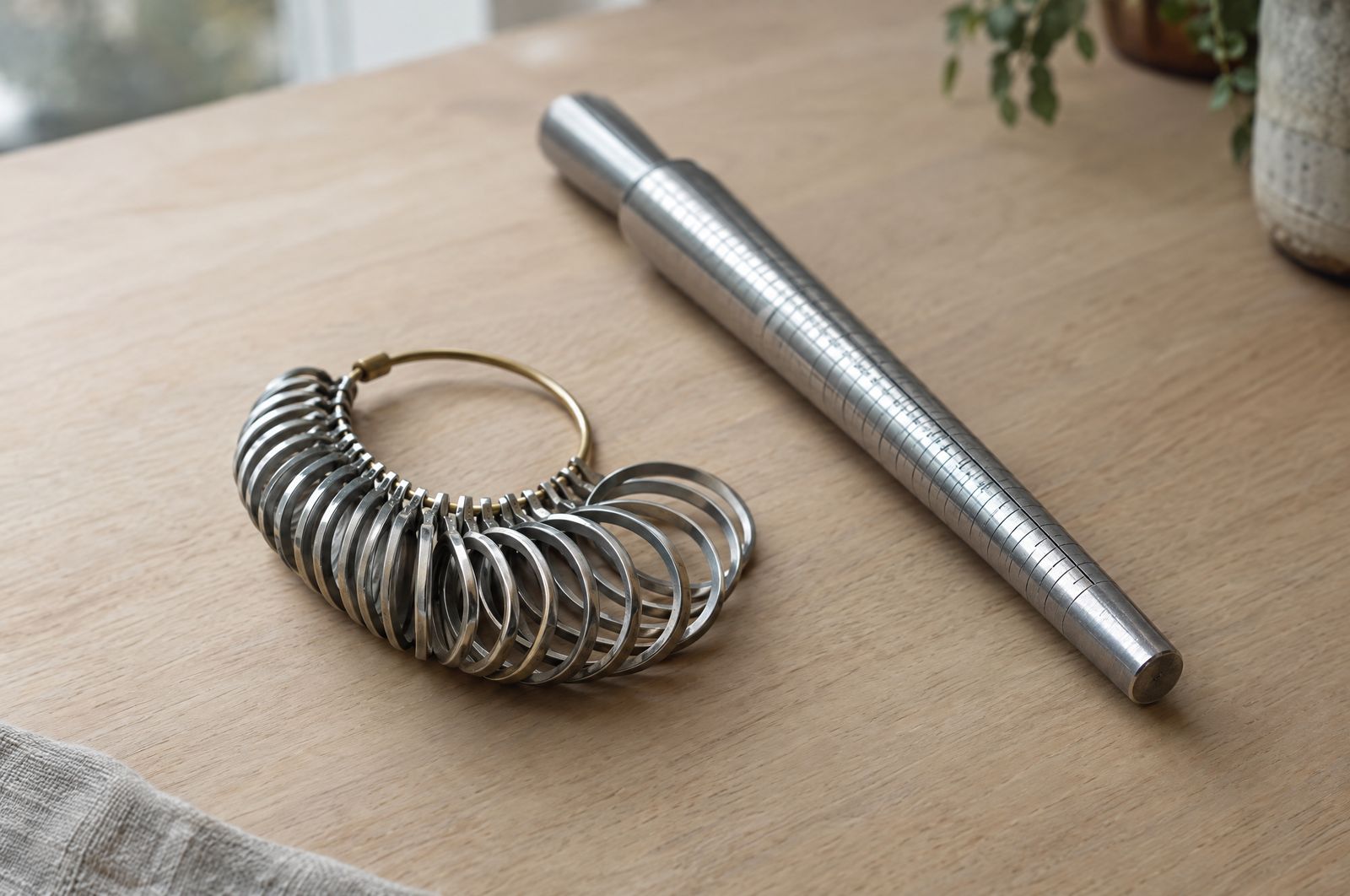
Borrow a ring from the right finger, measure the inside diameter, and remember that cold Colorado mornings shrink fingers. Sizing guide
- 06
Leave with paperwork, then insure it
Grading report, itemized receipt and an appraisal, then a jewelry policy or rider in place before the ring leaves the house. Insurance basics
Sheet 02 · Principles
Four rules before you pay
Hover, focus or tap a rule below. Each one exists because a common buying mistake is expensive to undo once the ring is on a finger.
Rule 01
Report before romance
Ask for the grading report number before you ask to hold the ring. Look the number up on the lab's own website and match the measurements and the girdle inscription to the stone in front of you.
Rule 02
Cut before carat
A smaller stone with an excellent cut usually looks brighter, and often larger face-up, than a heavier stone cut deep to save weight. Spend on light return first.
Rule 03
Durability matches the life
Hardness, toughness and setting height all matter. A climber, a nurse and a pastry chef put very different loads on the same ring.
Rule 04
Insure on day one
Homeowner and renter policies often cap jewelry theft low unless the item is scheduled. Get the appraisal and coverage sorted before the proposal, not after.
The order of things: ask the hard questions, compare two rings side by side, propose somewhere above the city.
Before the big question
Bring the listing. Ask what it means.
Paste the grading report number, the setting description and the price you were quoted, and ask for a plain-English read on what the paperwork says and what to check next. Replies come by email. No referrals, no store visits arranged.
Send a ring questionQuestions
Engagement ring questions people ask first
Does this site sell engagement rings?
No. Denver Engagement Ring is an independent buyer's guide. There is no store, no inventory and no commission arrangement with any jeweler. The guides explain how to judge a ring so you can shop anywhere with better questions.
Which matters most of the 4Cs?
For a round diamond, cut has the biggest effect on how bright and lively the stone looks, so most buyers should protect cut grade first and then trade color, clarity and carat against each other. The 4Cs guide walks through the trade-offs.
Are lab-grown diamonds real diamonds?
Yes. A lab-grown diamond has the same carbon crystal structure, hardness and optical behavior as a mined diamond. The differences are origin, price and resale, which the lab-grown vs natural guide covers in detail.
How do I find a ring size without asking?
Borrow a ring the wearer already wears on the correct finger, or ask a close friend. The ring sizing guide has a converter from inside diameter to US size and the reasons fingers change size through a Colorado day.
Can I send a question about a specific ring?
Yes. Use the question form with the details from the grading report and the listing. Replies come by email. Nothing you send is shared with a jeweler.